


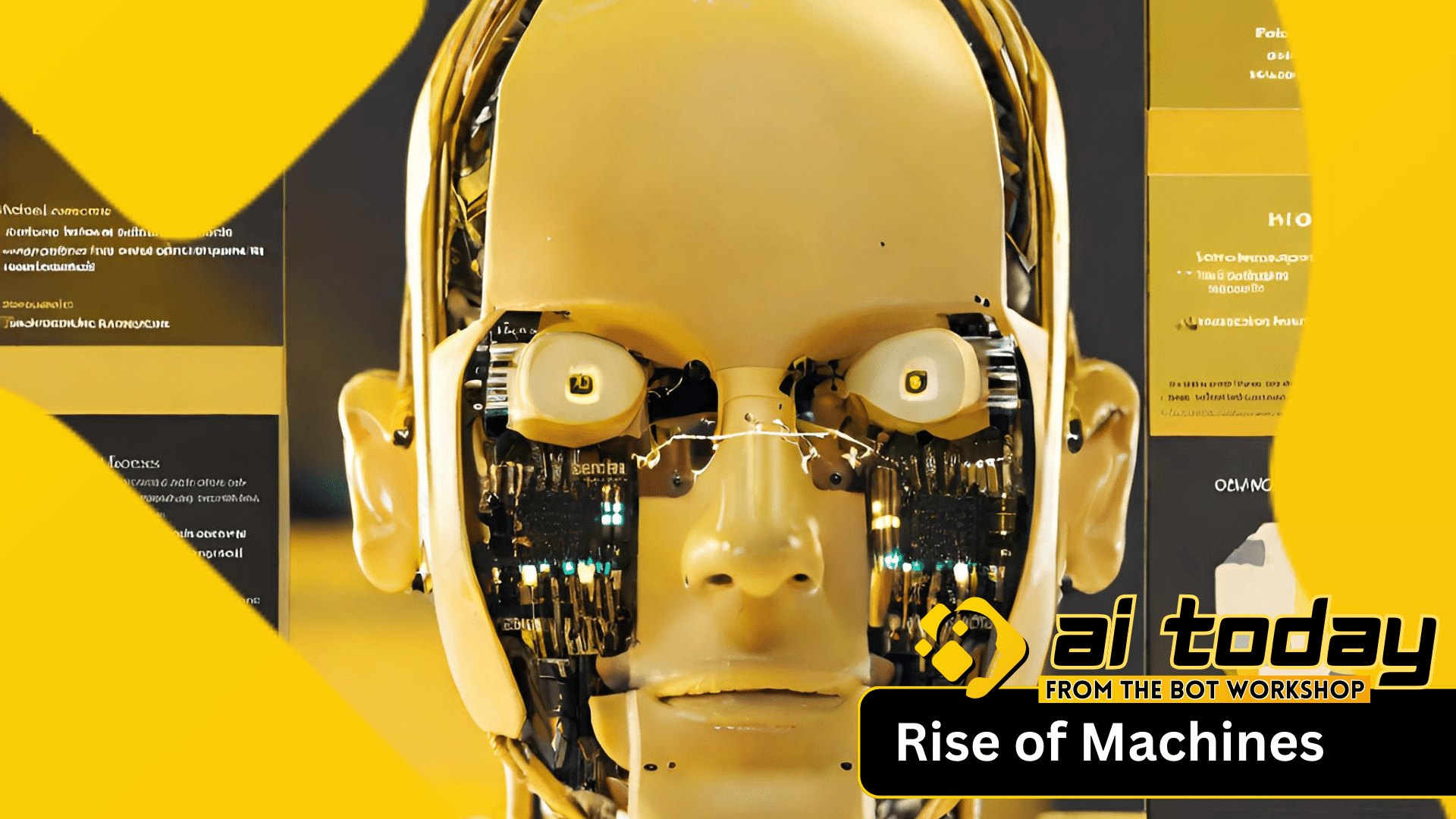
The streets of London were once roamed by horse-drawn carriages, gas lamps lit our nights, and telegrams were the ‘instant messages’ of the era. Fast-forward to the present day, and we’ve got self-driving cars navigating our roads, smart bulbs responding to voice commands, and instant messages being sent with a mere thought, thanks to brain-computer interfaces. At the heart of many of these transformations is Artificial Intelligence (AI) – a marvel that has, undoubtedly, heralded the dawn of a new age.
But how did we get here?
The Humble Beginnings
The concept of something akin to AI has been a part of human culture for centuries. The ancient Greeks had myths of automated servants created by the gods. But the modern journey of AI began in the 1940s and 50s, with figures like Alan Turing and the advent of the first electronic digital computers. Turing posed a tantalising question: “Can machines think?” And so, the stage was set.
The First Winter and Renaissance
The initial excitement surrounding AI in the 1960s was palpable. Early projects promised machines that could mimic human intelligence, but it wasn’t long before the challenges became evident. Funding dwindled, and the first “AI winter” set in. However, like the British spirit during a cold snap, the field persisted.
By the 1980s, AI experienced a renaissance. Expert systems, which are computer programs that mimic the decision-making abilities of a human expert, came to the fore. These systems showed promise in sectors from healthcare to finance.
Neural Networks and Machine Learning
The concept of neural networks – systems vaguely inspired by the human brain – wasn’t new, but it had been sidelined. That was until the rise of machine learning and deep learning algorithms in recent years. With the availability of big data and powerful computing resources, these algorithms trained on vast datasets, enabling them to perform tasks that were previously thought the exclusive domain of humans. From recognising a cat in a photo to transcribing spoken words, AI started making tasks look easy-peasy lemon squeezy!
AI Today: From Fads to Functional
The age of smartphones and ubiquitous computing has further bolstered AI’s position. Today, AI influences aspects of daily life many of us take for granted. Those music recommendations on Spotify? AI. The predictive text as you furiously type away on WhatsApp? AI again.
But it’s not just about fun and games. In healthcare, AI assists doctors in diagnosing illnesses with remarkable accuracy. In the world of finance, it predicts market fluctuations. It’s like having a new mate who’s exceptionally bright and always eager to help!
The Road Ahead: Hopes and Hurdles
While the evolution of AI has been nothing short of spectacular, it’s worth noting the challenges. Ethical dilemmas abound: from ensuring AI doesn’t perpetuate existing biases to grappling with job displacements in certain sectors. The British ethos of fair play demands that we address these issues head-on.
However, with challenges come opportunities. The UK, with its rich history of innovation from the steam engine to the World Wide Web, is uniquely positioned to shape the future of AI. It’s an exciting time to be alive!
The dawn of AI isn’t just a moment in time – it’s an era. An era marked by challenges, yes, but also endless opportunities. As the evolution of AI continues, we’re all part of this thrilling narrative. So, next time you ask your smart speaker for the weather forecast or the best chippy in town, take a moment to appreciate the marvel that is AI. And remember, this is just the beginning!


