


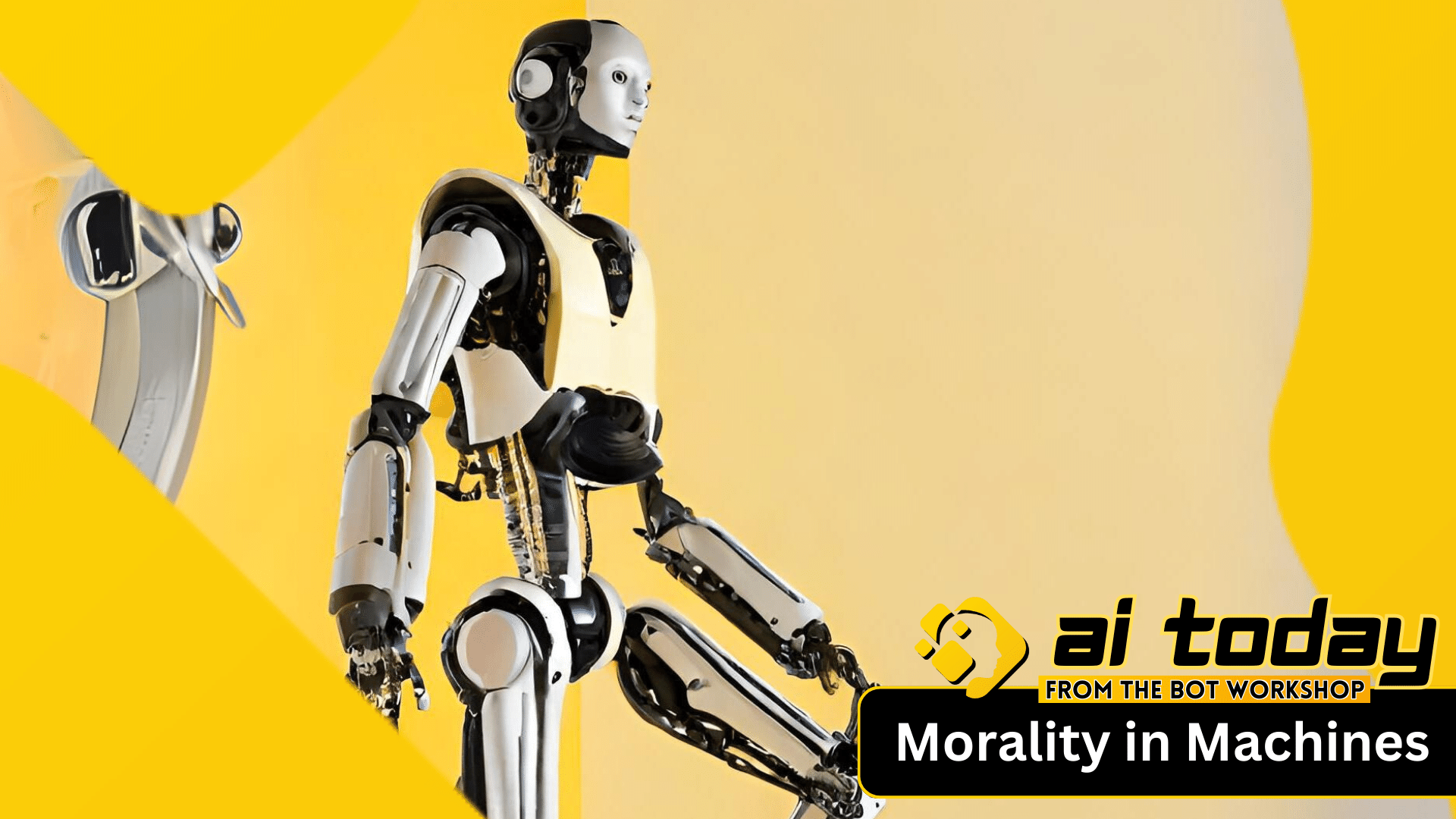
It’s a crisp morning in Cambridge, and the historic courtyards of the university are buzzing with a peculiar blend of anticipation and introspection. No longer confined to the pages of philosophy books or the animated debates of lecture halls, the question of ethics has found a new arena: artificial intelligence (AI). As we stand on the precipice of a technological revolution, the ethical implications of AI development take centre stage.
1. Bias and Discrimination
The Issue: Data is the lifeblood of AI systems. But what if this data is tainted with historical biases? When AI is trained on such data, it can inadvertently perpetuate, or even exacerbate, existing prejudices, leading to discriminatory outcomes in areas like recruitment, law enforcement, and lending.
The Ethical Dilemma: Should developers use vast historical datasets, knowing they might contain biases? And if they decide to ‘clean’ this data, who determines what’s fair?
2. Privacy and Surveillance
The Issue: From facial recognition to behaviour prediction, AI offers tools that can be used to monitor individuals at an unprecedented scale. While these tools can provide security, they can also be exploited to infringe on personal privacy.
The Ethical Dilemma: Where do we draw the line between security and privacy? How do we ensure that AI doesn’t inadvertently create an Orwellian future?
3. Job Displacement
The Issue: Automation, powered by AI, promises efficiency. However, this efficiency often comes at the cost of traditional jobs. From manufacturing to customer service, many sectors are vulnerable to automation.
The Ethical Dilemma: Is it ethical to develop systems that displace human workers? If so, what responsibilities do industries, governments, and societies have in retraining or supporting these displaced workers?
4. AI in Warfare
The Issue: The potential deployment of AI in warfare, including autonomous weapons, raises significant ethical concerns. These weapons could make decisions without human intervention, leading to unforeseen and potentially catastrophic consequences.
The Ethical Dilemma: Should we allow machines to make life-and-death decisions on the battlefield? And if so, who is responsible when things go wrong?
5. AI Personhood and Rights
The Issue: As AI systems become more sophisticated, exhibiting traits like creativity or the ability to ‘learn’ emotions, questions arise about their status. Are they mere tools, or do they deserve some form of rights?
The Ethical Dilemma: If an AI system can feel pain or emotions (even if in a fundamentally different way from humans), is it ethical to shut it down or modify it against its ‘wishes’?
The spires of Oxford University have witnessed countless debates on ethics over the centuries. Today, the discussions have evolved, encompassing not just human interactions but our relationship with the machines we create.
Addressing the ethical implications of AI isn’t a task for the distant future; it’s a pressing concern for today. It demands collaboration – between technologists, ethicists, policymakers, and the public. As we move forward, let’s ensure that our technological progress is grounded in ethical considerations, keeping humanity’s best interests at heart. For in the words of the great Stephen Hawking, “The rise of powerful AI will be either the best or the worst thing ever to happen to humanity. We do not yet know which.”


